Each one is backed by something I've already shipped.
01
I own things end to end
Architecture, implementation, deployment. Hand me an ambiguous problem and you get something running back, not a question.
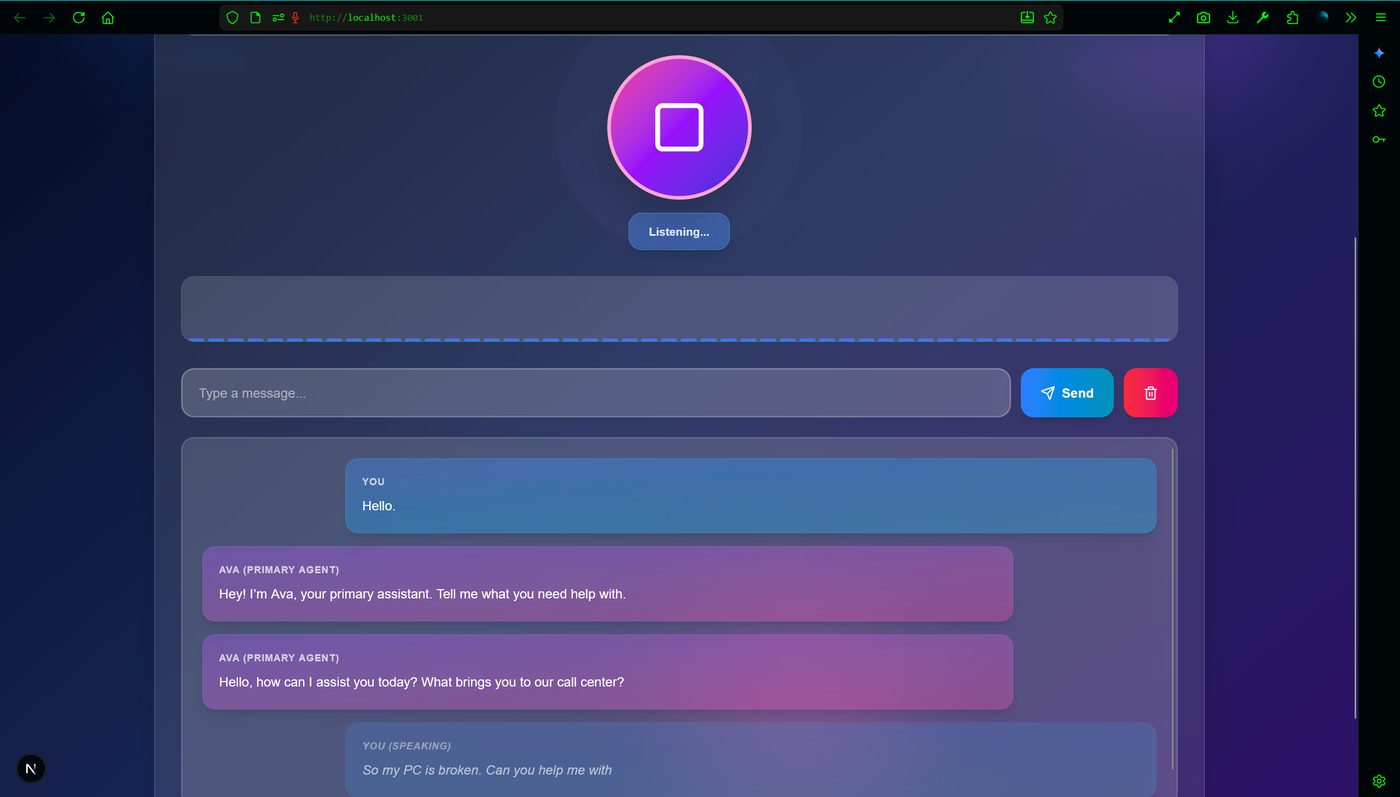
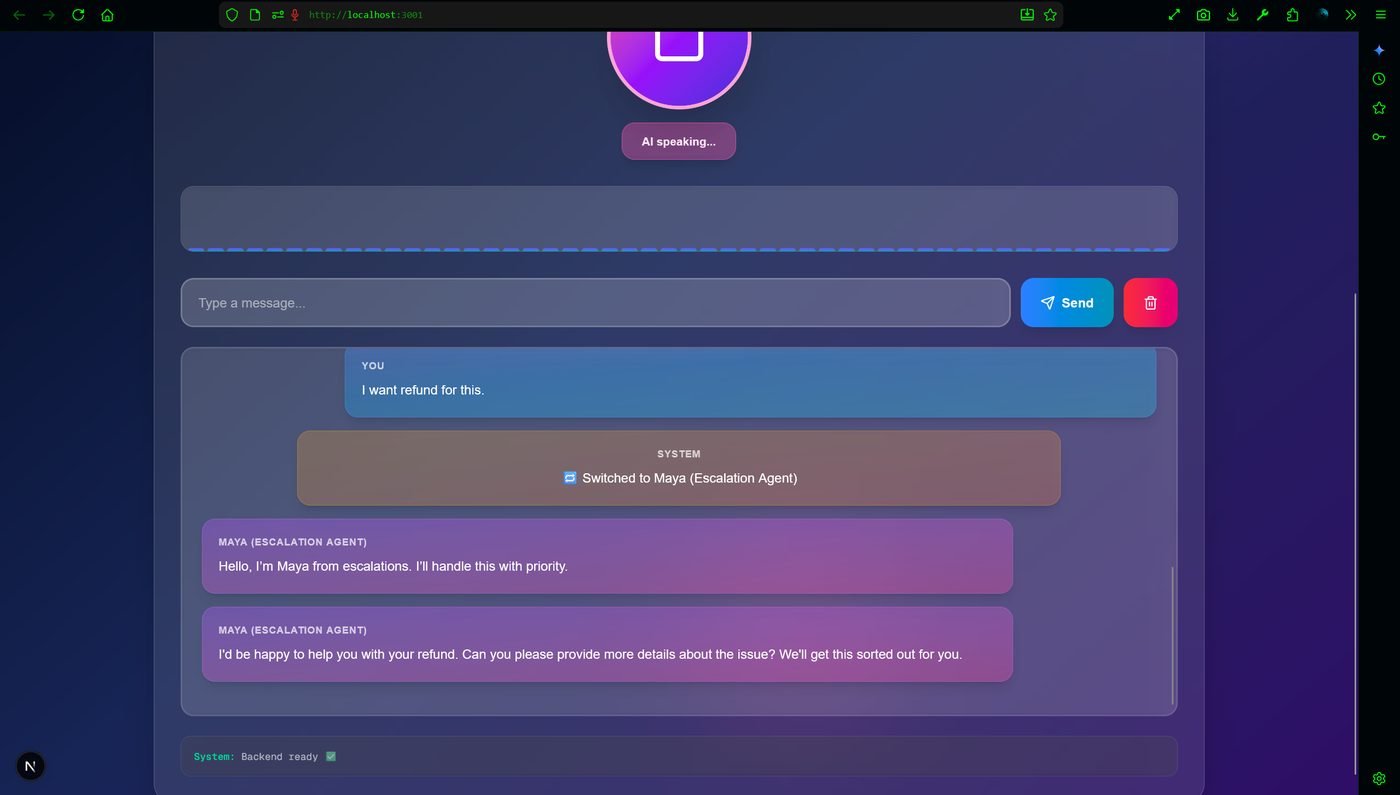
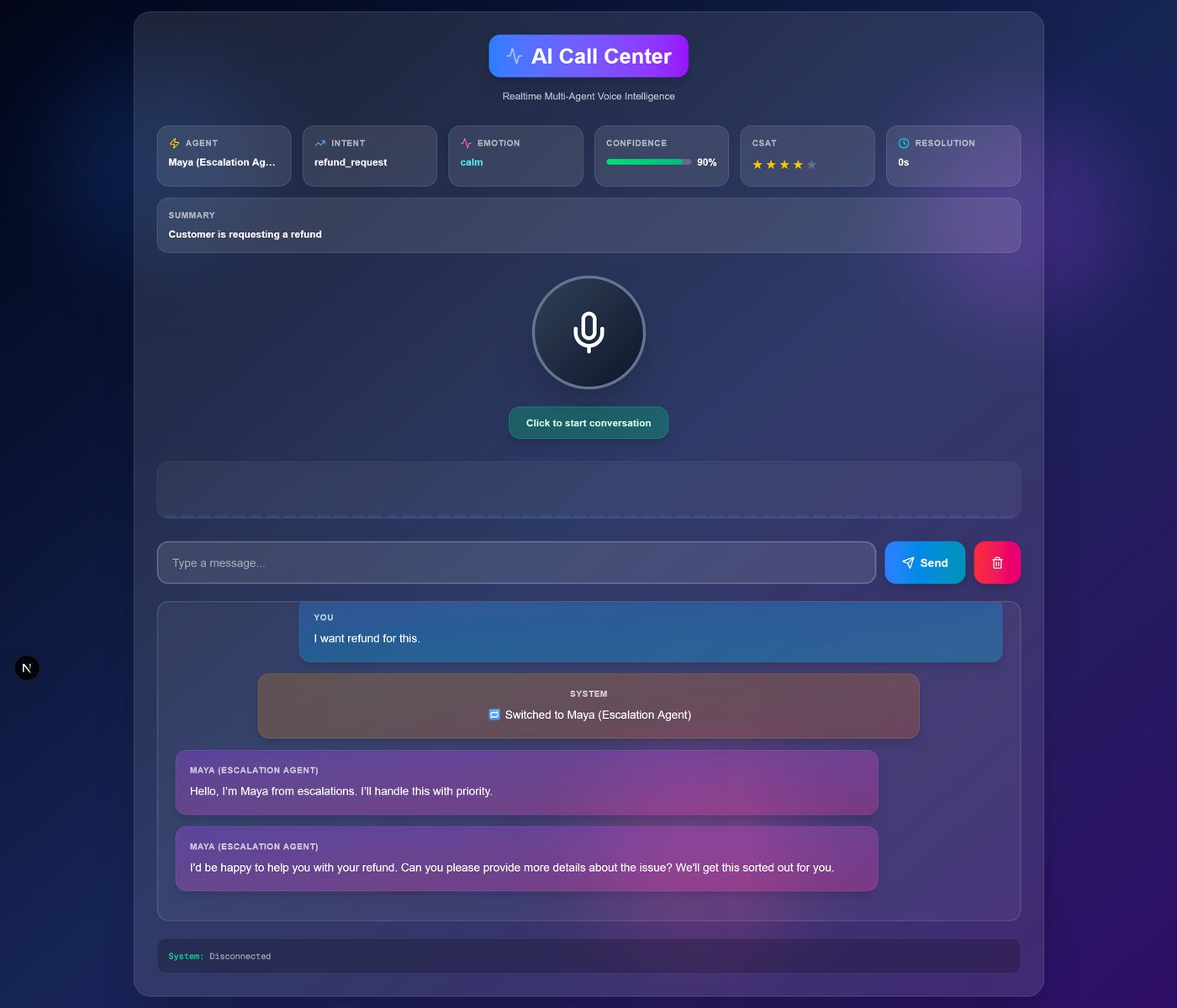
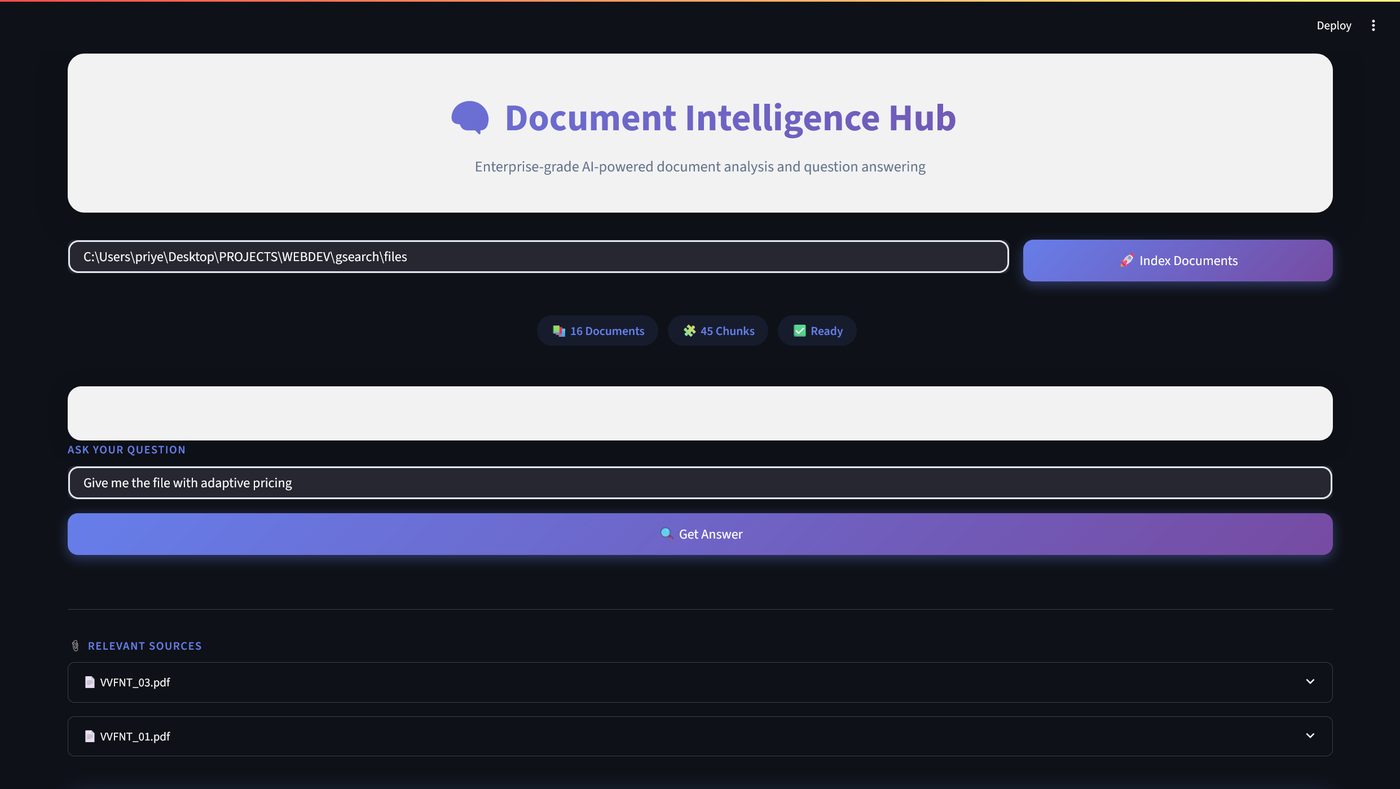
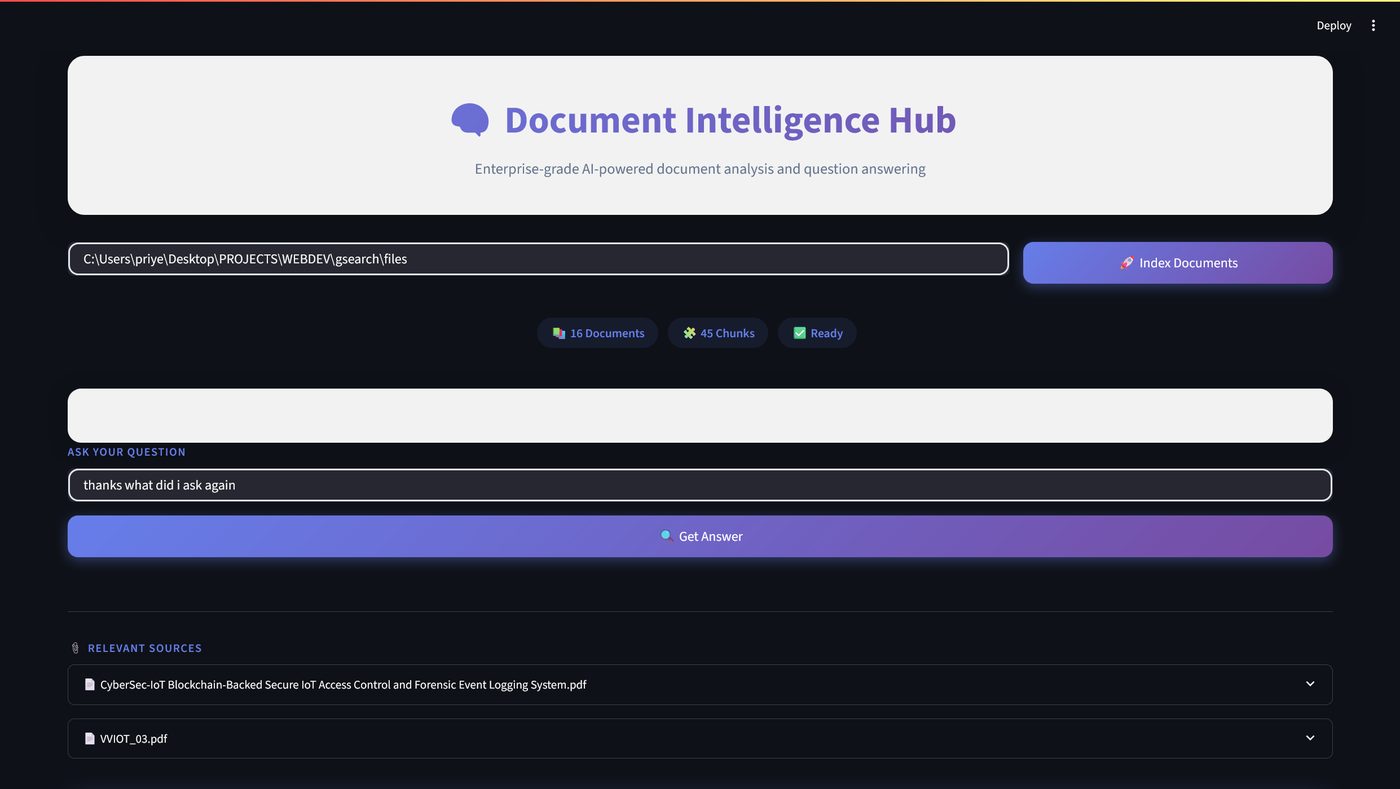
Proof: an AI call center at Spectov, from LiveKit rooms to LangGraph agents.
02
I build for concurrency
Race conditions and drift are design problems. I solve them in the architecture, not with patches.
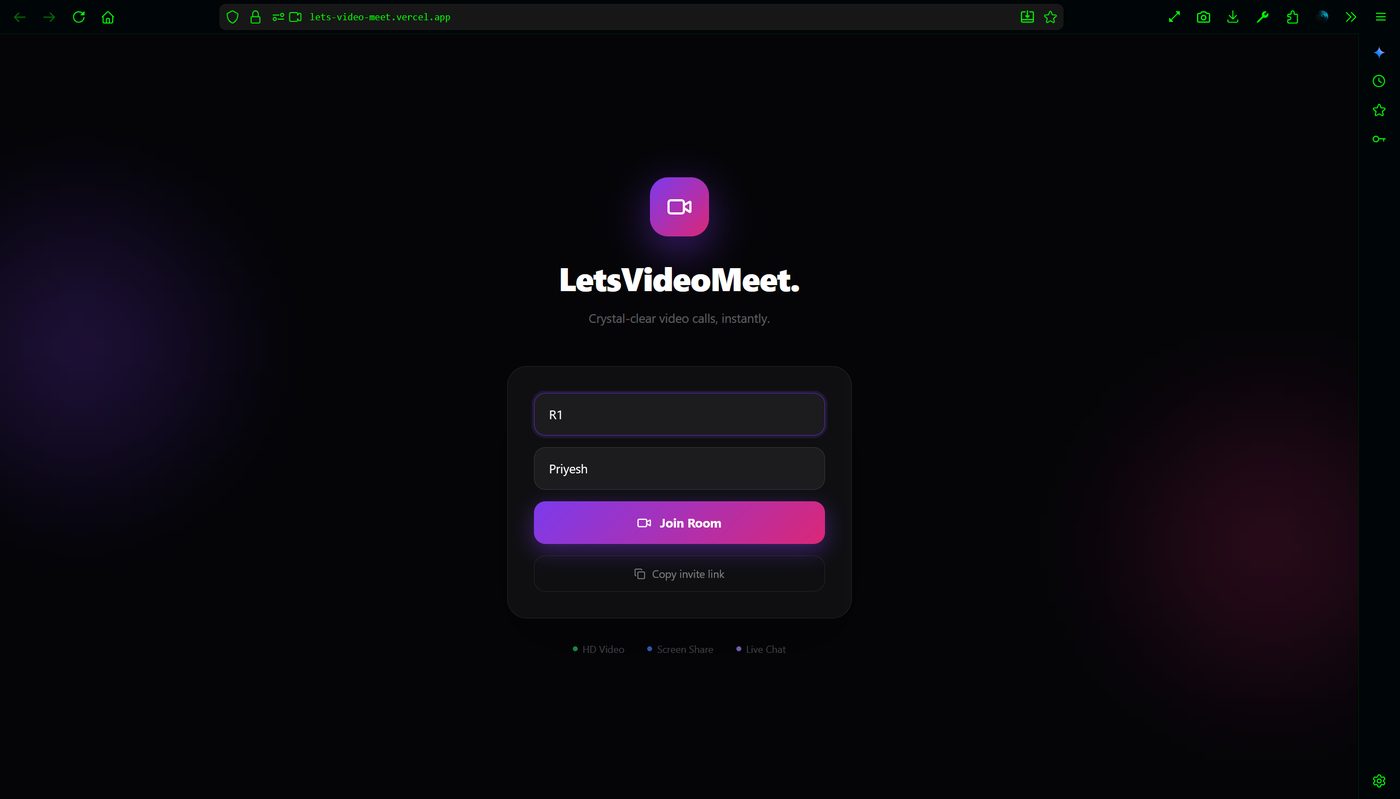
Proof: event-sourced tracking with zero time drift; 20+ users per room on an SFU.
03
I measure, then claim
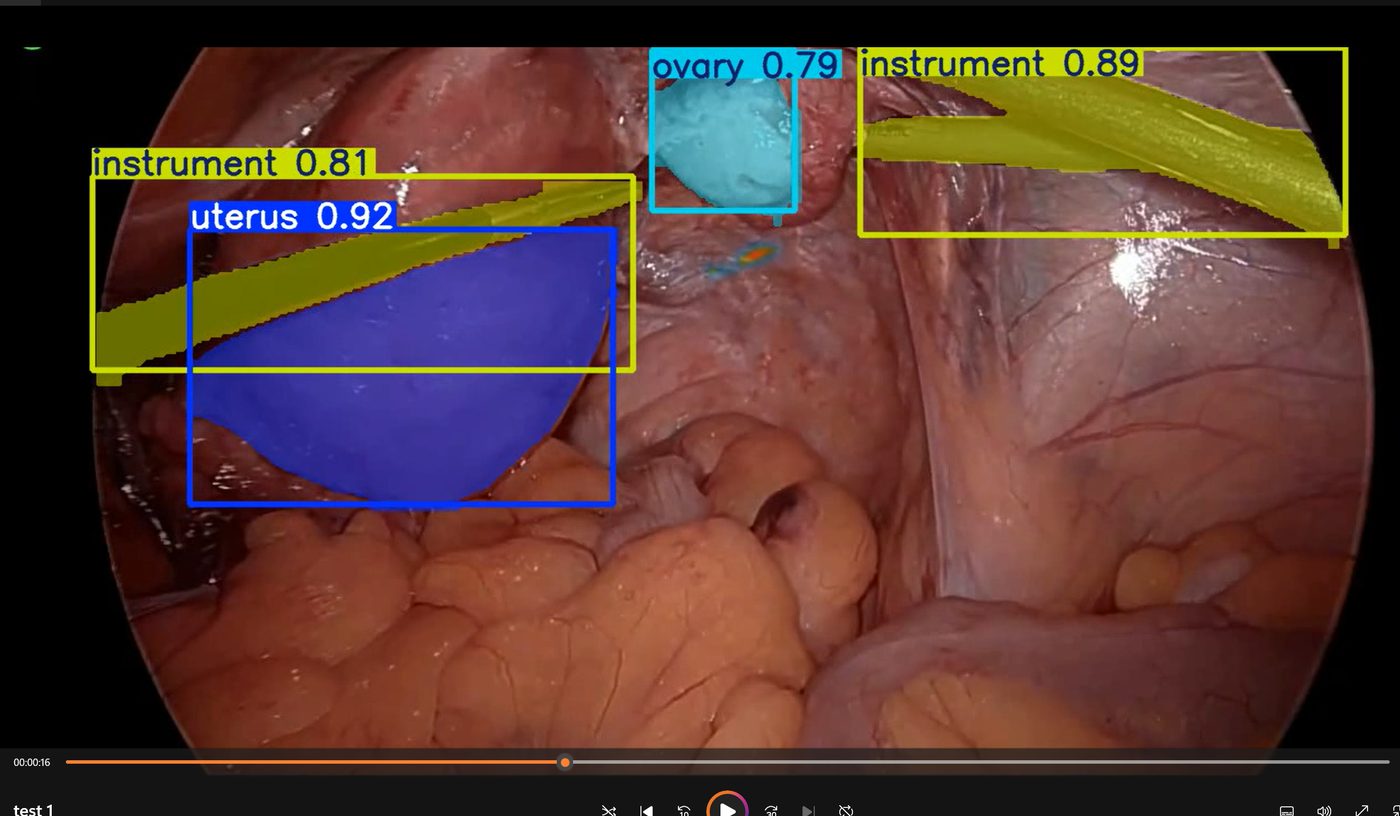
I report mAP, IoU, ROC-AUC and latency, and I diagnose why a model misbehaves.
Proof: 87% mAP, sub-100ms frames, 65.4% vs 60.7% baseline.
04
I work with real users
I iterated with surgical staff on feedback, which beats guessing in isolation.
Proof: +30% procedural accuracy for junior doctors.
05
I've got the fundamentals
DSA, OOP and system design under the frameworks, so I adapt when the stack changes.
Proof: CGPA 9.16; C++ and Java next to JS and Python.
06
I move fast and stay secure
I prototype quickly, but auth and data isolation are never an afterthought.
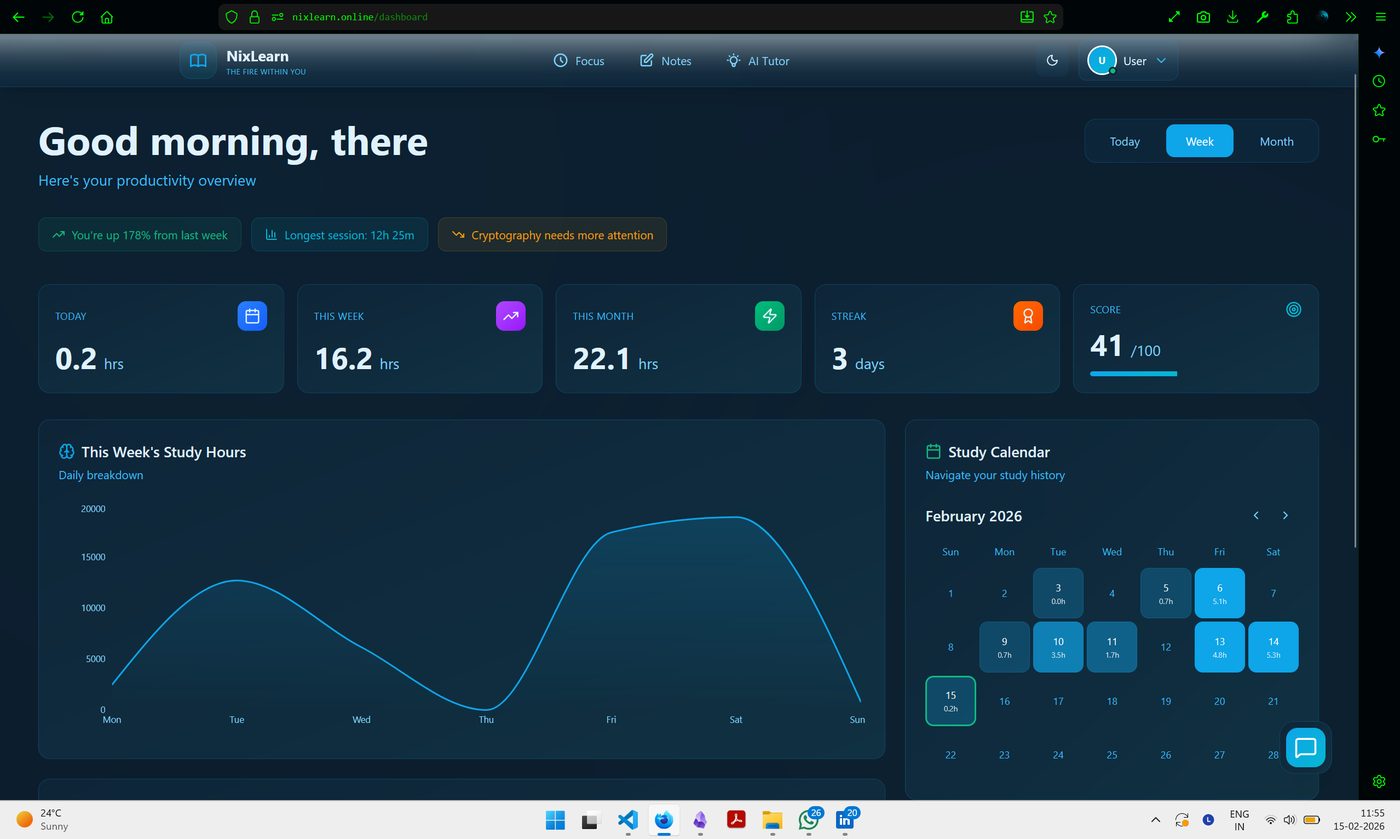
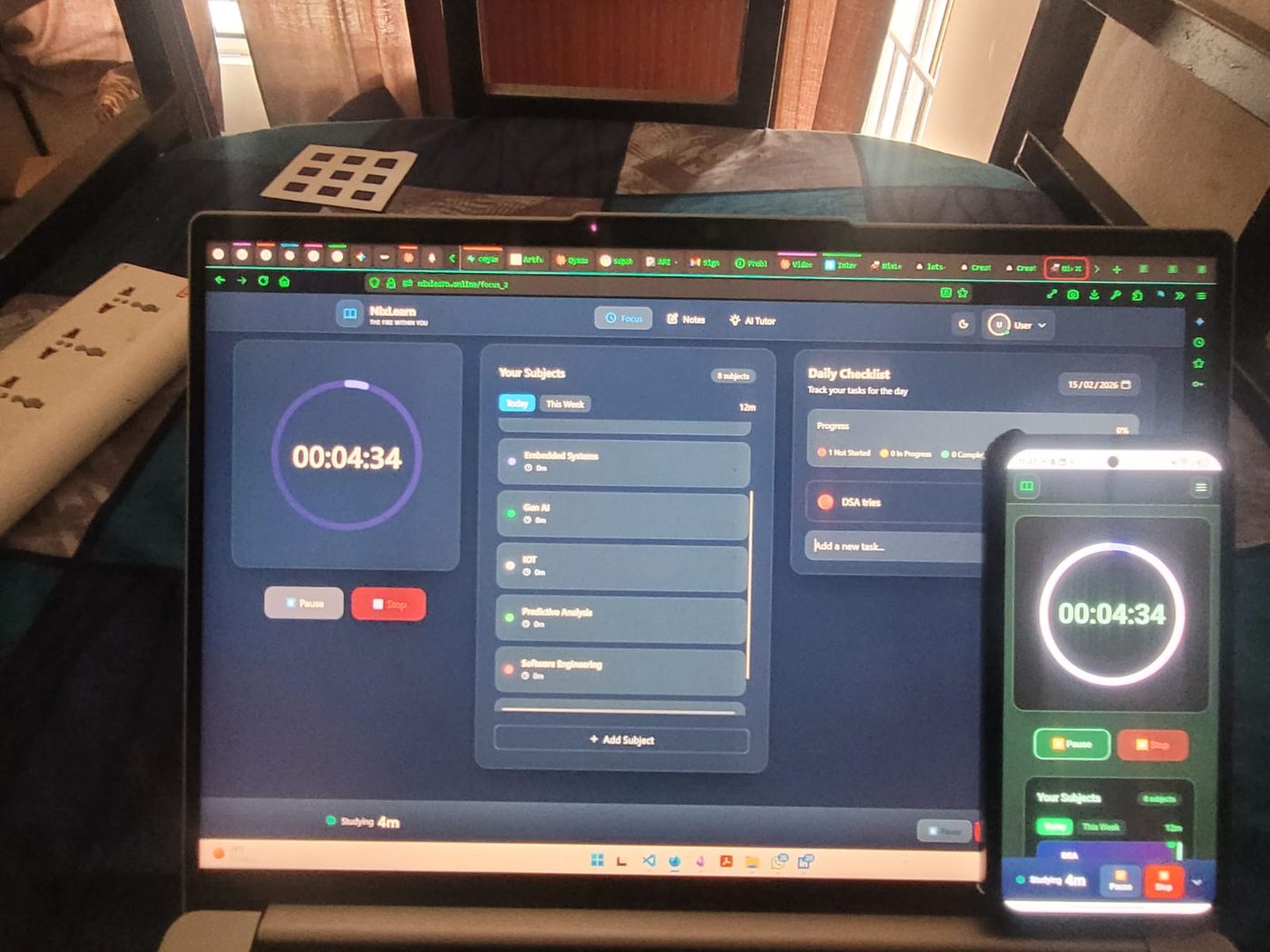
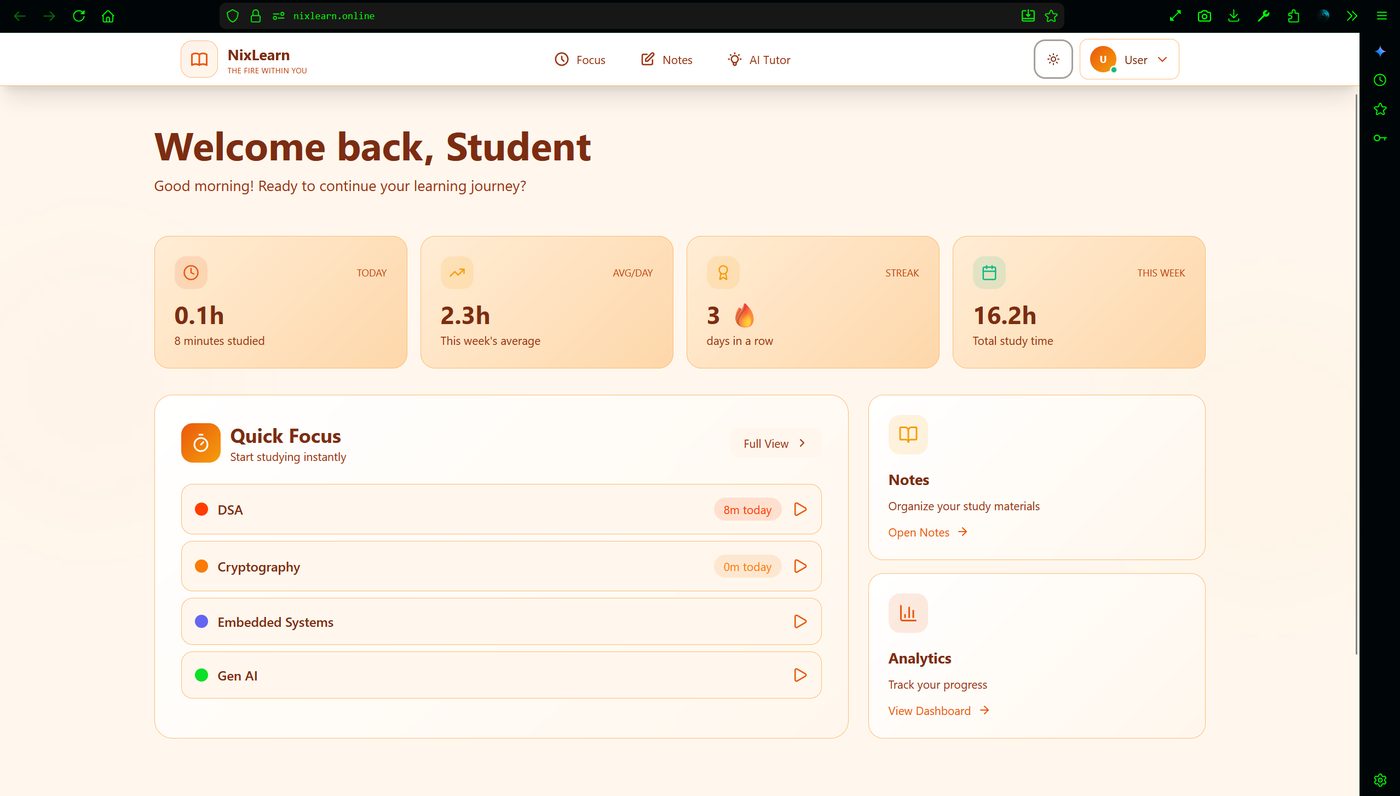
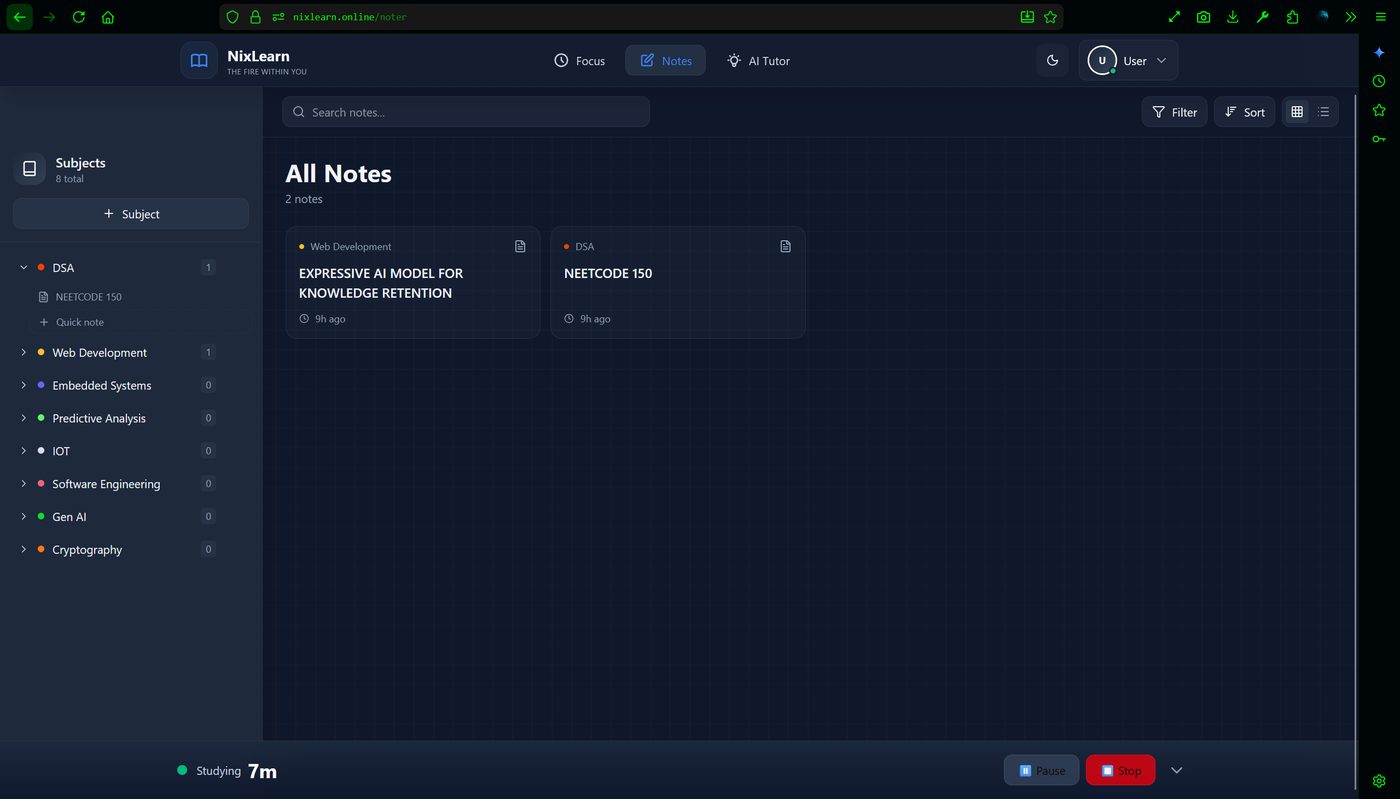
Proof: multi-tenant RLS in NixLearn; Redis rate limiting and OTP auth in LetsChat.
07
I lead under pressure
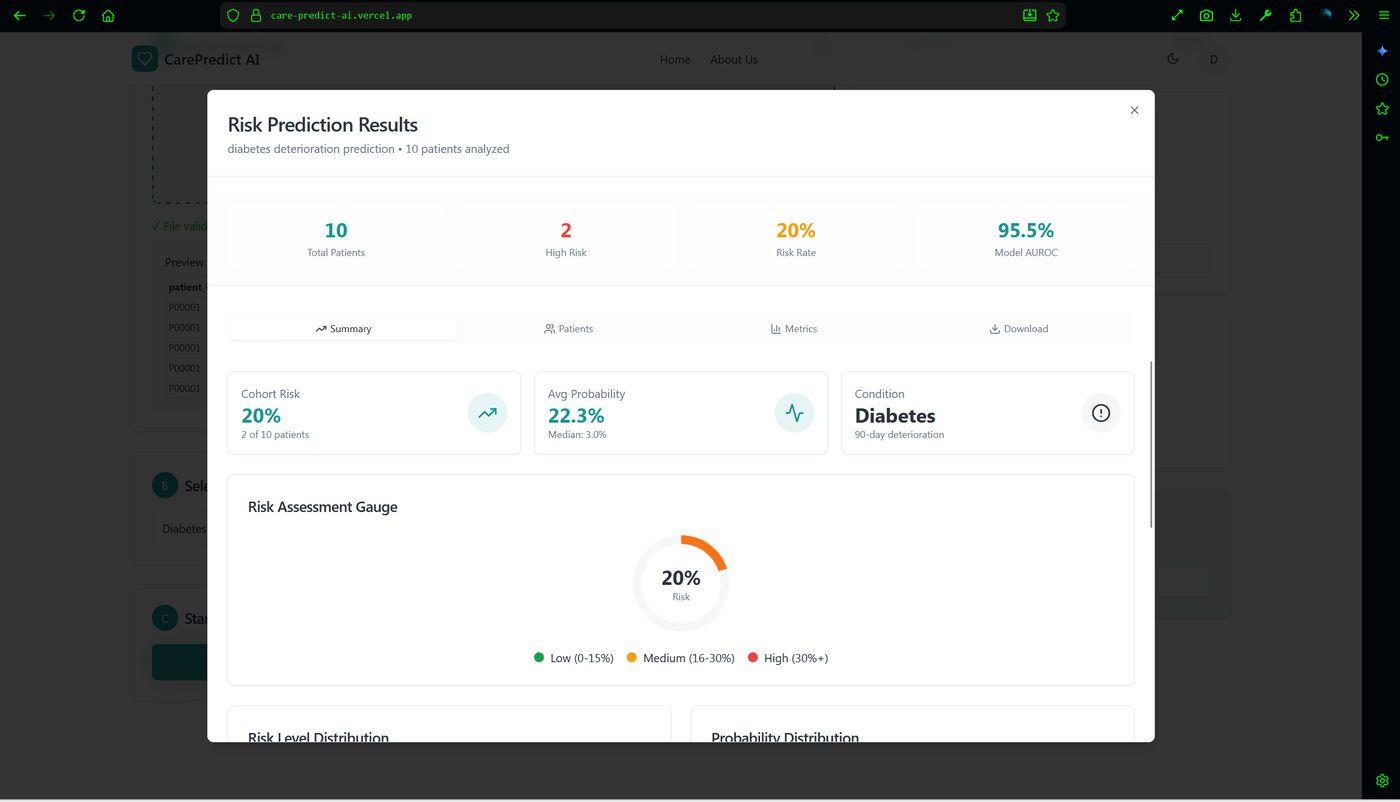
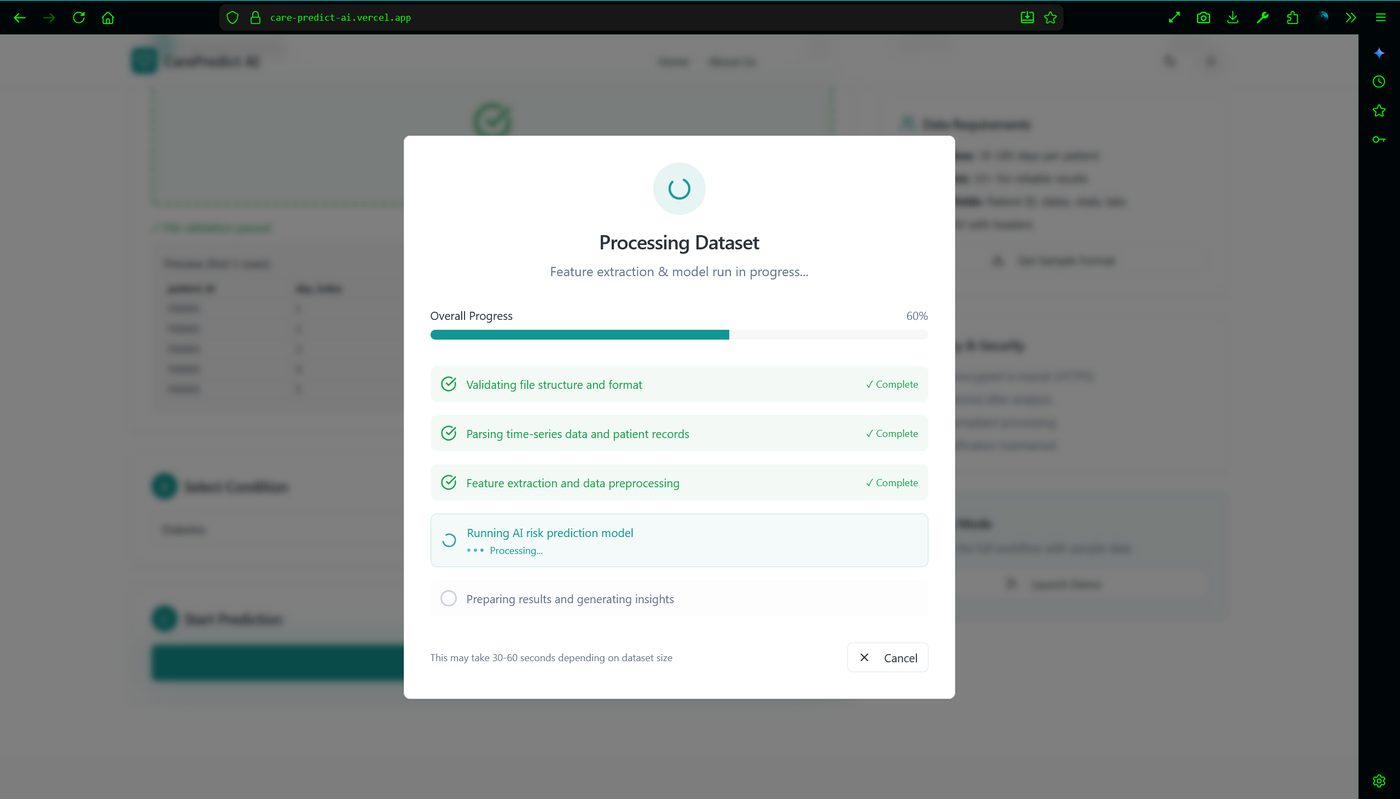
I led a team to 2nd place at MedHack, building an applied healthcare ML solution end to end in under 24 hours.
Proof: MedHack Hackathon, 2nd place.
Give me a hard problem and a deadline. I'll bring working software.